
When illness enters a household, the instinct to protect others is strong — but the specific hygiene practices that actually contain transmission are not always well understood. Understanding how respiratory and gastrointestinal illnesses spread (the key transmission routes and the moments when infection is most likely) allows you to prioritize the hygiene interventions that genuinely reduce risk rather than just creating the feeling of doing something. Most household transmission is preventable with targeted measures; some is not, given the nature of shared spaces and the contagious period of illness.
Respiratory illness: how transmission actually works
Respiratory viruses (influenza, RSV, rhinoviruses causing the common cold, and coronaviruses) spread primarily through respiratory droplets (relatively large particles produced by talking, coughing, and sneezing) and increasingly recognized aerosol routes (smaller particles that remain suspended in air for longer periods, particularly in poorly ventilated enclosed spaces). Contact transmission (touching contaminated surfaces then touching the face) is also possible but is generally secondary to respiratory routes for most common respiratory illnesses.

Practical containment measures
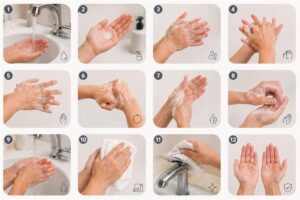
Respiratory etiquette: cover coughs and sneezes with the inside of the elbow (not the hand, which then becomes a contaminated surface). Use tissues once and discard immediately; do not reuse them. Hand washing: increases in frequency and thoroughness are most impactful during illness — wash hands after any contact with the sick person or their items, after blowing your nose, and before touching shared surfaces. Ventilation: opening windows and increasing air circulation reduces the concentration of airborne particles indoors — even in cold weather, brief ventilation periods significantly improve air quality. Separate items: the sick person should use their own cup, utensils, and towels; these should not be shared with household members during the illness period. Sleep separately: when possible, having the sick person sleep alone in a room dramatically reduces overnight aerosol exposure.
Gastrointestinal illness and surface hygiene
Norovirus and fecal-oral transmission
Gastrointestinal illnesses — particularly norovirus (the most common cause of acute gastroenteritis) — spread through fecal-oral routes: contaminated food or water, person-to-person contact with infected individuals, and touching contaminated surfaces then touching the mouth. Norovirus is notable for its extremely high contagiousness (as few as 18 viral particles cause infection) and its resistance to alcohol-based hand sanitizers (soap and water is significantly more effective). Key measures: thorough hand washing with soap and water after any bathroom use and before food handling; not preparing food for others while symptomatic and for 48 hours after symptoms resolve; disinfecting bathroom surfaces with a bleach-based cleaner (the only readily available disinfectant proven effective against norovirus).
Laundry during illness
Soiled bedding, clothing, and towels should be washed promptly in the hottest wash appropriate for the fabric. Avoid shaking soiled items before washing to minimize aerosolization of particles. Wash hands after handling soiled laundry before touching other surfaces. These measures are particularly important for norovirus containment.
Conclusion: targeted measures, realistic expectations
In close household settings, complete prevention of transmission is often not realistic — particularly for respiratory viruses, which begin shedding before symptoms appear (meaning the sick person may have already been contagious before they knew they were ill). The goal of illness hygiene is to reduce transmission probability and duration, not to guarantee that no one else gets sick.
The measures that consistently reduce household transmission — respiratory etiquette, increased hand washing, ventilation, and separation of personal items — are low-effort and have no downside. They represent the targeted, proportionate response that evidence supports for common household illnesses.