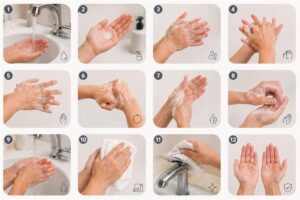
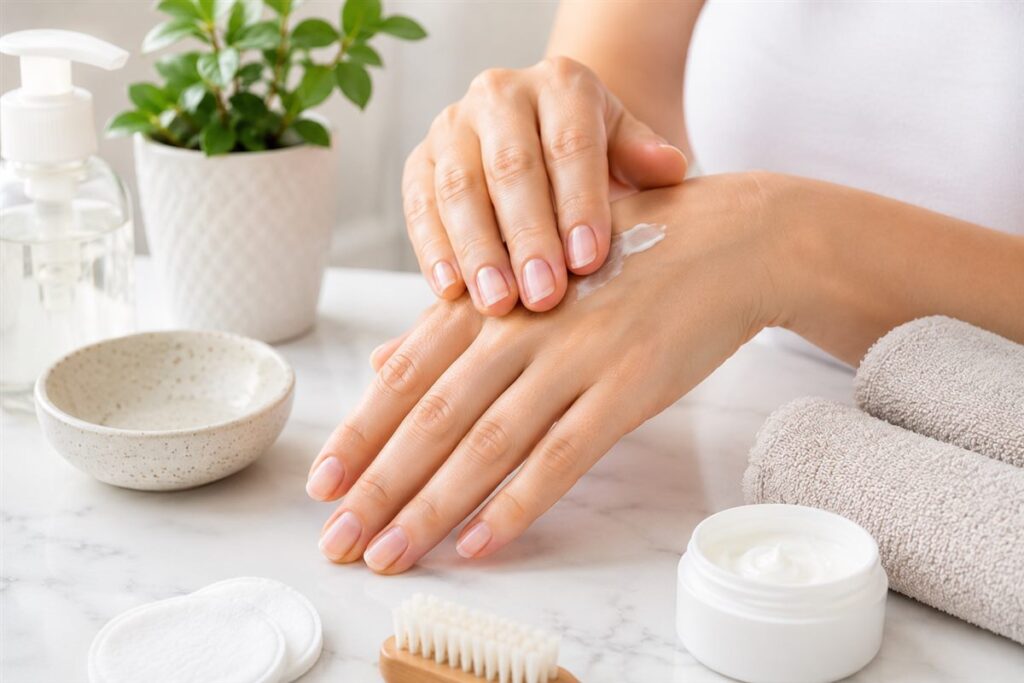
Nails are more than an aesthetic concern — they are genuine vectors for pathogen transmission (the subungual space under fingernails is a major reservoir for bacteria and parasites), sites of common infections (fungal nail infections affect roughly 10% of the global population), and indicators of underlying health conditions when their appearance changes. Good nail hygiene is simple, requires minimal time, and pays dividends in both infection prevention and appearance.
Fingernail hygiene essentials
The most important nail hygiene practice is keeping nails trimmed to a manageable length and cleaned regularly. Longer nails harbor significantly more bacteria and other microorganisms under the nail plate — studies of healthcare workers consistently show that longer nails carry higher bacterial loads even after handwashing, which is why clinical environments require short nails without artificial extensions. For general hygiene purposes, trimming nails weekly and using a nail brush under the nail plate during handwashing keeps subungual contamination low.
Cuticle care
The cuticle (the thin layer of skin that seals the base of the nail plate) is a protective barrier against bacteria and fungi entering the nail bed. Cutting or aggressively pushing back cuticles removes this protection and creates small wounds that can become infected — a practice recommended against by most dermatologists. Instead, soften cuticles with oil or moisturizer and very gently push them back (if aesthetically desired) after a warm bath or shower when they’re soft. Never cut cuticles unless you have a specific condition and have been advised to do so by a professional.
Toenail care and fungal infection prevention
Toenail trimming technique
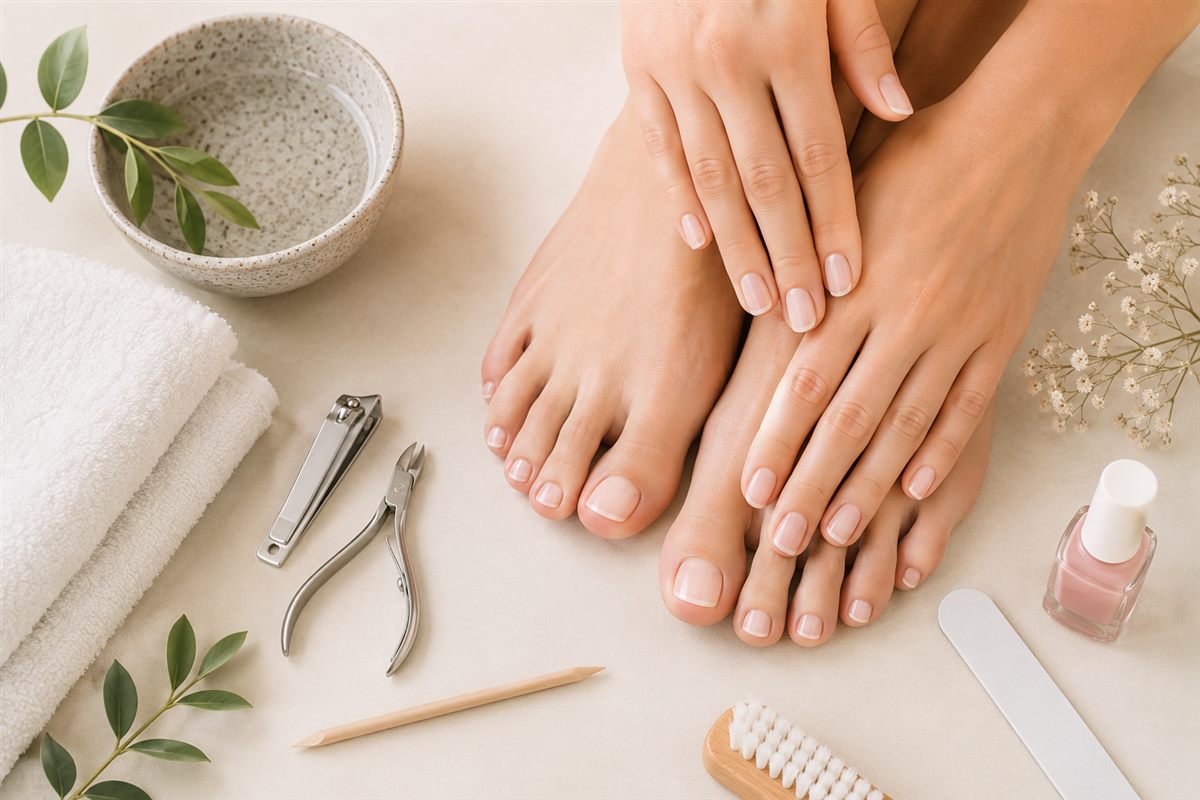
Toenails should be trimmed straight across (not curved at the corners) to prevent ingrown toenails — a painful condition where the nail edge grows into the surrounding skin, causing inflammation and potentially infection. Use dedicated toenail clippers (larger and more powerful than fingernail clippers, appropriate for the thicker nail). Trim after a bath or shower when nails are softer. Keep toenails short enough to not contact the toe box of shoes — pressure from shoes on overly long toenails causes bruising and nail damage over time.
Preventing onychomycosis (fungal nail infections)
Fungal nail infections — typically caused by dermatophyte fungi — affect toenails far more than fingernails (due to the warm, moist environment inside shoes). They present as thickened, yellowed, brittle, or crumbling nails and are notoriously difficult to treat once established. Prevention is significantly easier: keep feet dry (change socks daily, allow shoes to air between wears, dry thoroughly between toes after bathing); wear flip-flops in communal showers, pools, and locker rooms; use antifungal powder in shoes if prone to sweating. Once established, fungal nail infections typically require 3-6 months of topical antifungal treatment or oral antifungal medication — early treatment is significantly easier than treating an advanced infection.
Conclusion: simple habits with real hygiene and health payoffs
Nail hygiene is one of the most straightforward areas of personal care — weekly trimming, regular cleaning, protecting cuticles, and preventing fungal conditions through basic foot hygiene requires minimal time and effort. The payoff is both aesthetic (well-maintained nails) and functional (reduced pathogen transmission via hands, prevention of painful nail infections).
Significant nail changes — discoloration beyond what’s explained by polish, thickening, separation from the nail bed, or pitting — can indicate underlying conditions including fungal infection, psoriasis, or systemic health changes. If you notice such changes and they don’t resolve, a dermatologist can diagnose the cause and recommend appropriate treatment.