
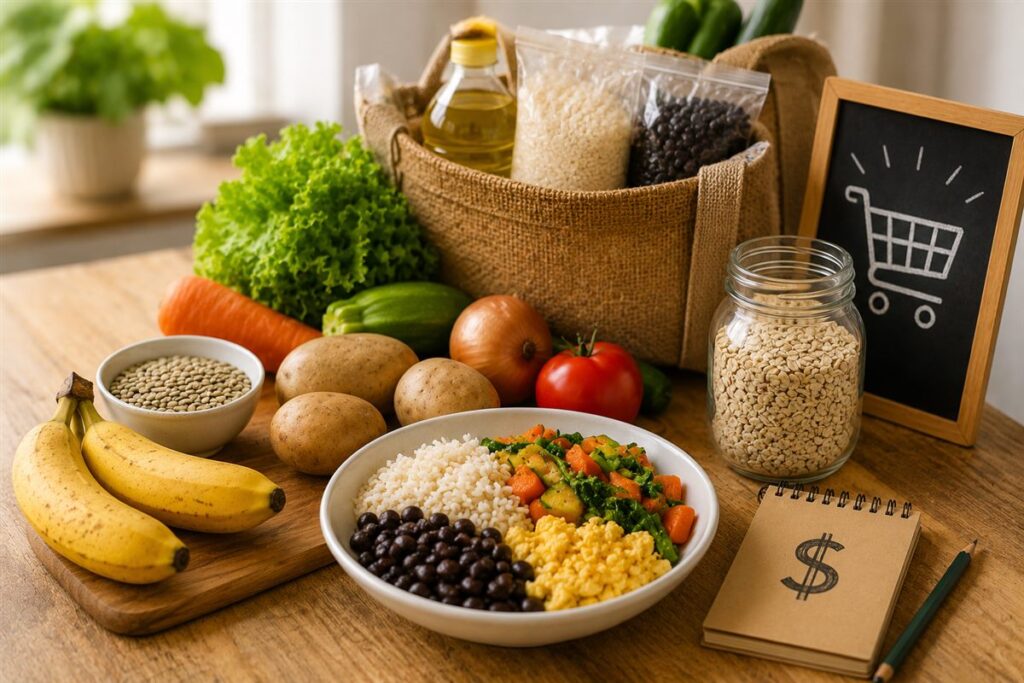
The belief that eating healthily is expensive is both widespread and significantly overstated. While premium organic products, exotic superfoods, and specialty health foods can be expensive, the most nutritionally valuable foods in the world — legumes, whole grains, eggs, frozen vegetables, seasonal produce, canned fish — are also among the most affordable. The correlation in the modern food environment between price and nutrition quality is weak; much of the premium associated with «health food» reflects branding and packaging rather than superior nutritional value. A well-planned whole-food diet can be substantially less expensive than a typical Western diet of processed convenience foods.
The most nutritious affordable foods
Dried legumes (lentils, chickpeas, black beans, kidney beans) are calorie for calorie among the most nutritionally dense foods available — high in protein, fiber, folate, iron, potassium, and resistant starch — and among the cheapest foods by cost per serving. Cooking from dried is significantly cheaper than canned (though canned is still affordable and perfectly nutritious if dried is impractical). Whole grains (oats, brown rice, whole wheat flour, barley) are similarly affordable foundations. Eggs are one of the most complete proteins available, with a favorable amino acid profile, rich in choline, B12, selenium, and fat-soluble vitamins — and consistently affordable. Frozen vegetables are nutritionally equivalent to fresh — vegetables are frozen at peak ripeness, locking in nutrients — and often significantly cheaper, with zero waste from spoilage. Canned fish (sardines, mackerel, tuna) provides excellent protein and omega-3 fatty acids at low cost. Seasonal fresh produce is cheapest and most nutritious when purchased in season from local markets.

The cost comparison that changes perspectives
A comparison worth making: the cost per gram of protein, per calorie, and per serving of common budget-friendly whole foods vs. typical processed convenience foods. A 500g bag of dried lentils provides approximately 12 servings of 30g protein at minimal cost — far cheaper per gram of protein than chicken breast, and comparable to or cheaper than most processed protein sources. Oats are extraordinarily cheap per calorie and per fiber gram. Frozen spinach, broccoli, and mixed vegetables provide more nutrient density per dollar than most packaged snack foods. The expensive framing of healthy eating typically compares premium organic specialty products to conventional processed foods — a misleading comparison that erases the affordable whole-food middle ground.
Practical budget eating strategies
Planning, buying, and avoiding waste
Food waste is a significant hidden cost in most households — an estimated 30-40% of purchased food is wasted in many Western countries. Reducing food waste is simultaneously a budget strategy and a nutrition strategy. Key approaches: Plan meals before shopping — even a rough weekly plan reduces impulse purchases and ensures you use what you buy; Shop with a list — reduces purchases of items that will go unused; Buy frozen vegetables as a complement to fresh — they don’t spoil on the timescale of a week; Batch cook legumes and grains once a week and refrigerate (they last 4-5 days and provide the base for multiple meals); Use vegetable trimmings for stock; Understand date labels — «best before» dates indicate quality, not safety, and most foods are fine several days past these dates.
Shifting protein sources
Meat is typically the most expensive component of a grocery budget and not the highest-quality protein per dollar. Replacing some or all meat with legumes, eggs, canned fish, and tofu substantially reduces cost while maintaining or improving protein and micronutrient intake. Practically: one legume-based dinner per day (lentil soup, bean chili, chickpea curry, egg-based dish) vs. meat significantly reduces weekly food costs. If meat is preferred, less expensive cuts used in slow-cooking methods (braising, stewing) are nutritionally equivalent to premium cuts. Whole chicken is significantly cheaper per kilogram than breast fillets and provides additional use from the carcass (for stock).
Conclusion: legumes, whole grains, eggs, and frozen vegetables are your foundation
A budget-conscious healthy diet is built on the cheapest and most nutritious foods available: dried legumes, whole grains, eggs, frozen vegetables, seasonal produce, and canned fish. These foods require cooking from scratch — which is itself the most powerful cost-reduction strategy (restaurant and takeout food is dramatically more expensive than equivalent homemade food) — but minimal cooking skill.
Healthy eating is not inherently expensive. What is expensive is the premium organic specialty food category, the convenience food category, and the restaurant/takeout category. The whole-food basics have always been affordable. The cost barrier is real for some people in specific circumstances (food deserts, extreme time poverty, very low budgets), but for most people the primary barrier is habit and familiarity, not price — and both are changeable.


