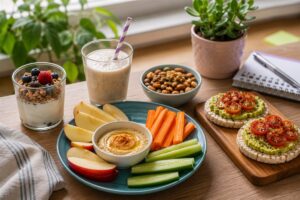

Most people know they should eat more vegetables — and most people don’t eat enough of them. The gap between intention and behavior is real, and it persists despite knowing the health benefits. The solution is rarely more information about why vegetables are good for you (you already know) and more often environmental design, cooking strategies, and habit systems that make vegetable-rich eating easier, more automatic, and more enjoyable. The goal is to make the healthy choice the default choice — not a daily act of willpower.
Start with the vegetables you actually like
The most common mistake in trying to eat more vegetables is adding unfamiliar or disliked vegetables to the rotation — kale smoothies, raw broccoli, plain salads — and relying on willpower to consume them. This is behaviorally backward. Start by maximizing the vegetables you already enjoy. If you like roasted cherry tomatoes, make them a weekly staple. If you enjoy stir-fried spinach or corn, anchor those to specific meals. Building a foundation of 4-6 vegetables you actually want to eat creates a sustainable base that can be expanded from a position of positive habit rather than deprivation.

Cooking technique matters enormously
The same vegetable can range from unpleasant to genuinely delicious depending on how it’s prepared. Roasting transforms many vegetables that are mediocre steamed or boiled — roasting caramelizes natural sugars (Maillard reaction), concentrates flavor, and produces a texture that is crisp at the edges and tender in the center. Roasting works particularly well for broccoli, cauliflower, Brussels sprouts, carrots, sweet potato, and asparagus. Sautéing in a hot pan with olive oil and aromatics (garlic, onion, fresh herbs) similarly elevates vegetables through flavor and texture. The goal is to make vegetables delicious through cooking skill, not to eat them despite tasting bland.
Environment and habit design strategies
Visibility and accessibility
The principle of «you eat what you see» is supported by behavioral research — food that is visible and accessible is consumed more often regardless of nutritional quality. Applied to vegetables: keep pre-washed, pre-cut vegetables in clear containers at eye level in the refrigerator (not in the vegetable drawer where they’re invisible); keep a bowl of fresh fruit and cherry tomatoes on the counter; and pre-chop onions, peppers, and other cooking vegetables once a week so cooking with them requires no preparation time. The friction of having to wash and cut vegetables before use is small but enough to consistently be skipped when you’re tired or hungry.
The add-in strategy
Rather than replacing meals with vegetable-focused alternatives, add vegetables to meals you already make and enjoy. Add spinach, kale, or arugula to pasta dishes in the last minute of cooking. Add grated zucchini or carrot to meat sauces (the texture disappears). Add a handful of cherry tomatoes or roasted red pepper to scrambled eggs. Include frozen peas in rice dishes. Add extra chopped vegetables to soups and stews. This strategy works because it requires no change in the meals you eat — only the addition of an ingredient that’s largely unobtrusive to the dish’s character.
Conclusion: reduce friction, increase flavor, start with what you like
Sustainable increases in vegetable intake come from making vegetables the path of least resistance (prepared in advance, visible, accessible), cooking them in ways that make them genuinely appealing (roasting, sautéing, seasoning well), and starting with the ones you already enjoy before expanding. Willpower-based approaches that require overcoming food preferences daily are less reliable than environmental and behavioral approaches that make vegetable-rich eating automatic.
The target — 5+ servings of vegetables and fruits per day — is achievable without extraordinary effort when it’s built into your food environment and cooking practices. One extra vegetable per meal, three meals a day, is all the math requires.