
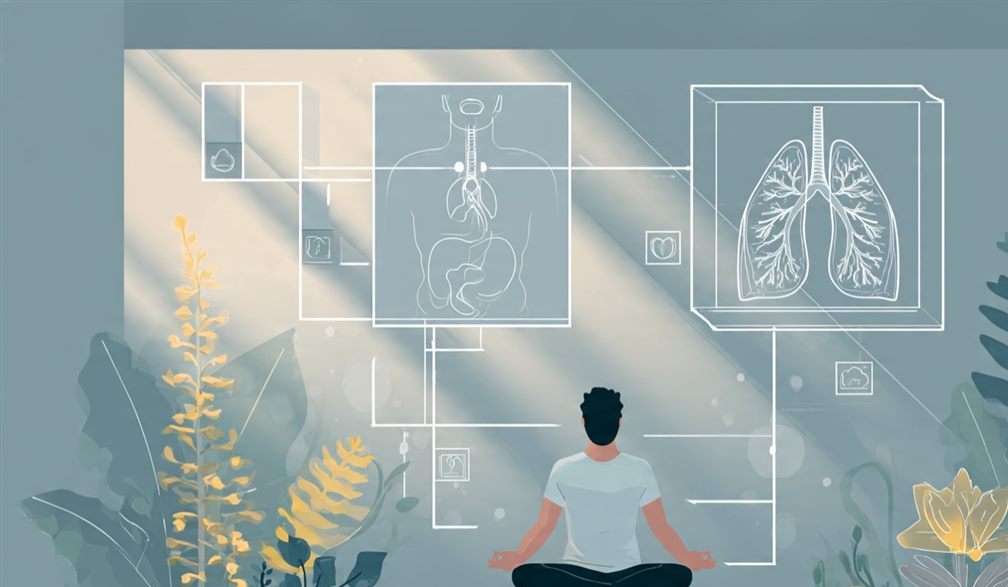
Breathing is unique among the body’s autonomic functions: it occurs automatically, regulated by brainstem respiratory centers, but it can also be consciously controlled — the only major physiological system where voluntary control can directly modulate autonomic function. This bidirectional connection between breathing pattern and autonomic nervous system state is the physiological basis for breathwork’s effects on stress, anxiety, cardiovascular function, and mood. The evidence is stronger for some breathing practices than others.
The physiology: breathing and the autonomic nervous system
The connection between breathing and autonomic tone operates primarily through the vagus nerve and the baroreflex. Inhalation increases heart rate (sympathetic activation); exhalation decreases heart rate (parasympathetic, vagal activation). This produces respiratory sinus arrhythmia (RSA) — the normal variation in heart rate across the breath cycle. Slow breathing (approximately 5–6 breaths per minute, which corresponds to the resonance frequency of the baroreflex) maximizes RSA and heart rate variability (HRV) — amplifying the parasympathetic signal. Extended exhalation specifically activates the vagus nerve more than inhalation does, producing a net parasympathetic shift. High vagal tone (high HRV) is associated with better stress resilience, emotional regulation, cardiovascular health, and reduced inflammatory markers. This mechanistic framework provides the basis for why breathing practices that slow the respiratory rate and extend exhalation consistently show effects on stress, anxiety, and autonomic balance.
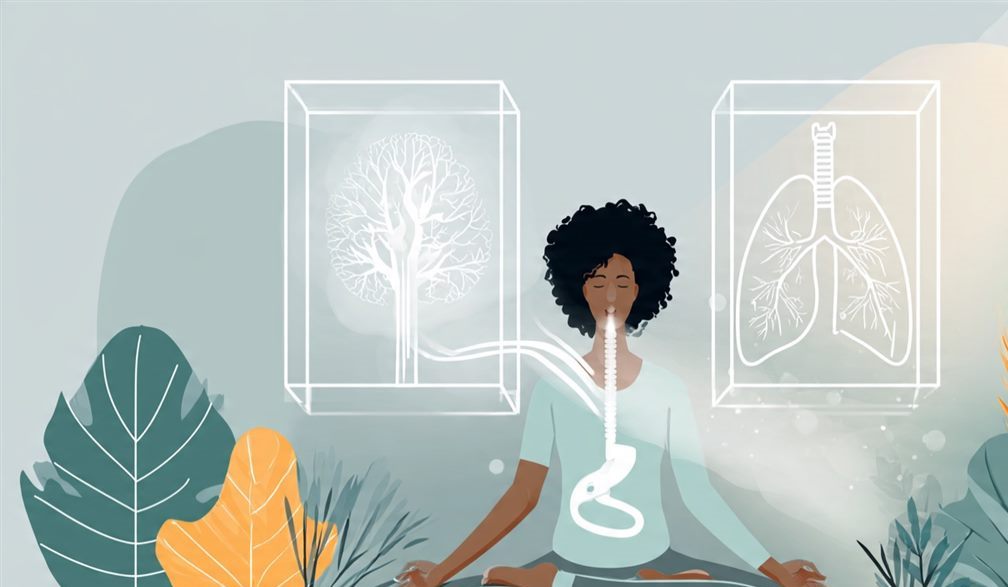
The most evidence-supported breathing techniques
Slow paced breathing at ~5–6 breaths/minute: the best-studied breathing intervention for autonomic effects. Multiple controlled trials show reduced blood pressure, increased HRV, reduced cortisol, and reduced anxiety with regular practice (typically 5–10 minutes daily for weeks). Coherent breathing (5.5-second inhale, 5.5-second exhale) and resonance frequency breathing achieve this rate. Used therapeutically in cardiac rehabilitation, PTSD treatment, and anxiety disorders. Extended exhalation breathing: any ratio where exhalation is longer than inhalation activates parasympathetic tone — 4-7-8 breathing (4 inhale, 7 hold, 8 exhale), box breathing with extended exhale, 4:8 ratio. Within minutes these patterns reduce heart rate and produce subjective calm. Used extensively in military and emergency responder stress management training. Cyclic sighing (physiological sigh): a double inhalation through the nose (regular inhale followed immediately by a short sniff to fully inflate alveoli) followed by a long complete exhale through the mouth. A 2023 Stanford RCT (Balban et al.) found that 5 minutes of cyclic sighing daily for 4 weeks produced the largest reductions in anxiety and the greatest improvements in mood compared to mindfulness meditation or box breathing — a striking result that positions this simple technique as among the most effective brief breathing practices currently studied.
Breathwork with more modest or mixed evidence
Wim Hof Method / hyperventilation-based breathing: the Wim Hof breathing protocol (rapid deep breaths followed by breath retention) produces dramatic physiological effects: alkalosis (respiratory CO2 washout), sympathetic activation, altered consciousness. Research shows it can voluntarily modulate the immune response — a genuinely remarkable finding (Kox et al. 2014). However, hyperventilation carries risks (syncope, carpopedal spasm, and in rare cases cardiac arrhythmia during breath retention in water or physically compromised individuals). Not recommended for beginners without guidance, in water, or during pregnancy. Nasal vs. mouth breathing: nasal breathing produces nitric oxide (vasodilator, antimicrobial) and filters, warms, and humidifies air. Evidence supports nasal breathing during sleep and rest. The claims about transformative effects of nasal breathing during exercise are more contested. Chronic mouth breathing is associated with worse sleep quality and higher blood pressure; nasal breathing is preferable where practically achievable.
Conclusion: five minutes daily is enough to produce real effects
Breathwork does not require elaborate protocols or extended daily practice to produce physiological benefits. The most accessible entry point: 5 minutes of either slow paced breathing (~5–6 breaths/minute) or cyclic sighing daily, with a preference for doing it at a consistent time (before or after another established habit). Both are well-supported, require no equipment, can be done anywhere, and produce measurable autonomic, anxiety, and mood benefits within weeks of consistent practice. For acute stress: any extended-exhalation technique (4 inhale, 8 exhale) works within minutes and can be used at will throughout the day.