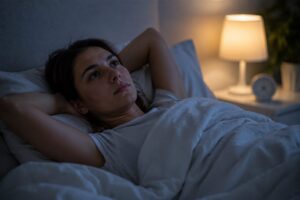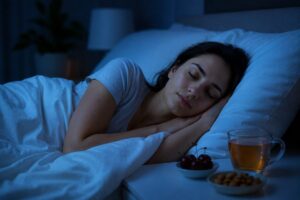
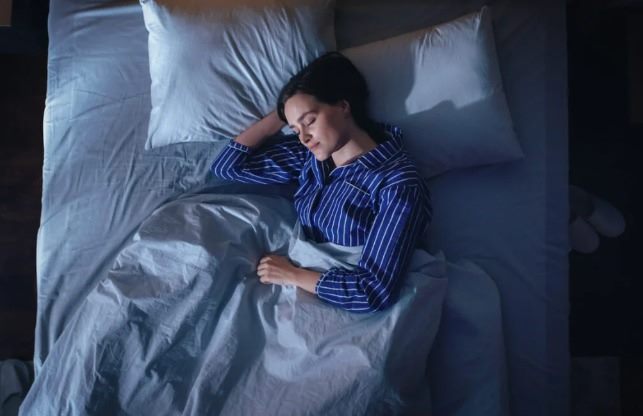
The sleep environment is one of the most modifiable determinants of sleep quality — yet it is often addressed last, after behavioral and psychological factors. The bedroom environment directly influences thermoregulation (the most important physiological driver of sleep onset), melatonin secretion (light exposure), arousal threshold (noise), and sleep continuity. Getting the fundamentals right is not difficult, but it requires understanding what actually matters physiologically versus what is marketing.
Temperature: the most impactful environmental factor
Core body temperature must drop 1–2°C to initiate and maintain sleep. The skin acts as the primary heat dissipation surface — the blood vessels in the hands and feet dilate during sleep onset (heat loss from the extremities is a measurable and reliable physiological signal of impending sleep). An environment that is too warm prevents this core temperature drop and significantly disrupts both sleep onset and deep NREM sleep. The evidence-supported optimal bedroom temperature range is 16–19°C (60–67°F) for most adults — cooler than most people maintain their bedrooms. Individual variation exists, and age, body composition, and hormonal status all affect ideal temperature. Practical steps: set the thermostat to the cooler end of this range; use breathable, temperature-regulating bedding (natural fibers — cotton, linen, Tencel — over synthetic materials that trap heat); consider cooling mattress toppers or systems (evidence suggests cooling the sleep surface reduces sleep onset latency and increases slow-wave sleep).
Light: eliminate it almost completely
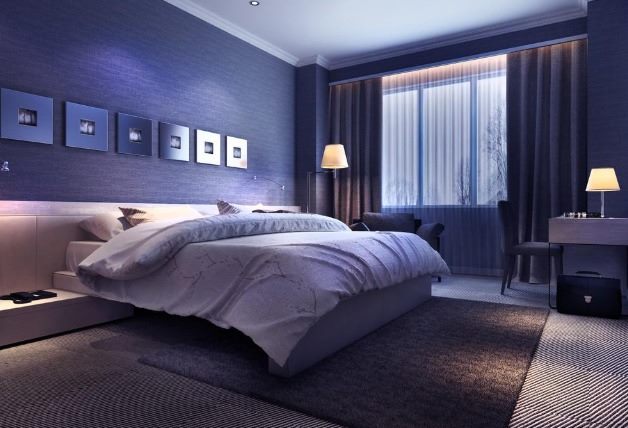
Light is the most potent suppressor of melatonin and the primary signal that resets the circadian clock. Even relatively dim light (30–100 lux) can partially suppress melatonin in the bedroom if present during the sleep window. Two problems to address: Evening light before sleep: use blackout curtains or wear a sleep mask to reduce any ambient light sources (streetlights, electronics, standby LEDs). Cover or remove light-emitting electronics — even the glow of a bedside clock or charging phone produces measurable biological effects with chronic exposure. Morning light intrusion: early morning light — particularly in spring and summer — can prematurely terminate sleep by signaling dawn to the circadian clock. Blackout curtains address both problems. For those who want natural light as a morning wake signal, a programmable light alarm (gradual light increase starting 30 minutes before the alarm time) mimics sunrise within the room while maintaining darkness for the rest of the night.
Sound: consistency matters more than silence
Complete silence is not necessary for good sleep — and in many environments, not achievable. What the research actually shows: it is not sound per se that disrupts sleep but changes in sound (sudden increases, novel sounds) that cause arousal. Consistent low-level background noise — white noise, pink noise, brown noise, or a fan — masks intermittent noise spikes, reducing arousal events. Multiple studies support white noise machines for improving sleep in noisy urban environments, shift workers sleeping during the day, and hospital patients. Pink noise (natural sounding, like rain) shows some specific evidence for enhancing slow-wave sleep in one study (Papalambros et al. 2017, targeting slow oscillation entrainment), though this finding requires replication at scale. Earplugs achieve similar noise masking; the drawback is that some people find them uncomfortable or dislike the occlusion sensation. For partner noise (snoring), the combination of white noise and earplugs can substantially reduce arousal without requiring separate sleep spaces.
Bedding and mattress: comfort, support, and temperature
The evidence on specific mattress types for sleep is limited — most trials compare medium-firm versus very firm, finding medium-firm preferable for back pain and sleep quality. The more important variable is likely pressure point relief and temperature management. Mattresses that retain heat (memory foam without cooling technology) can impair sleep for heat-sensitive individuals. Natural latex and innerspring mattresses generally sleep cooler. Pillows: head and neck alignment during sleep can affect airway position, pain, and arousal frequency. Pillow height preferences are highly individual and depend on sleep position (side sleepers need higher pillows than back sleepers). The principle: a sleep environment that causes no physical discomfort (pressure points, pain, temperature extremes) removes one set of arousal stimuli from the night, allowing the other sleep-promoting factors to work undisturbed.
Conclusion: prioritize cool, dark, quiet, and comfortable
The hierarchy of bedroom interventions by evidence: (1) cool temperature — 16–19°C is more important than most people realize and worth prioritizing over comfort preferences for warmth; (2) darkness — blackout curtains deliver high impact for low cost; (3) sound masking — a white noise machine or fan costs little and meaningfully helps in noisy environments; (4) comfortable bedding — natural fibers and appropriate pillow height remove physical discomfort as a sleep disruptor. These four adjustments, implemented together, create the environmental conditions in which the behavioral and physiological sleep practices covered in this series can produce their full effect.