Nails are dead keratinized cells — like hair, the visible nail plate cannot be biologically repaired once it has grown past the nail matrix. But unlike products that promise to «repair» the nail structure, genuinely supporting nail health requires understanding what happens at the nail matrix (where nails actually form) and ensuring the nutritional and topical conditions that support healthy nail growth. The most effective nail care is approximately 70% internal (nutrition, hydration) and 30% external (protection, moisturization).
What makes nails brittle and weak
The most common cause of brittle, peeling, and slow-growing nails: frequent wet-dry cycling — repeated immersion in water followed by drying (dishwashing, frequent hand washing without moisturizing). Water causes nail keratin to swell; drying causes it to contract. Repeated cycling fatigues the keratin bonds and produces the layered peeling typical of brittle nails. Nail polish removers, particularly acetone-based, strip nail lipids and exacerbate brittleness. Excessive manicuring, especially filing and buffing, reduces nail plate thickness over time. Nutritionally: biotin deficiency is the classically cited cause of brittle nails (and the basis for the popular biotin supplement market), but in Western populations with adequate diets, true biotin deficiency is rare. Protein deficiency, iron deficiency (producing spoon-shaped nails — koilonychia), and zinc deficiency are more likely nutritional contributors in people with genuine dietary gaps.
Nutritional support for nail growth
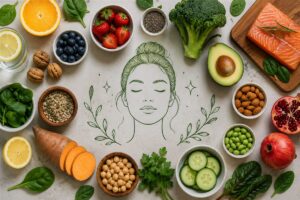
Key nutrients for nail health: Protein: nails are keratin protein — adequate dietary protein is the foundation. Nails grow approximately 3mm per month; nail plate thickness and strength are directly related to protein adequacy. Biotin (vitamin B7): the evidence for biotin supplementation in nail brittleness in people without deficiency is weaker than its marketing suggests — most studies are small and uncontrolled. However, in people with verified low biotin (vegans, people with certain GI conditions, those on long-term antibiotics), supplementation at 2.5mg/day has some evidence. Iron: iron deficiency is one of the most common micronutrient deficiencies globally, particularly in premenopausal women, and produces characteristic nail changes. If nails are concave (spoon-shaped), this warrants a ferritin test. Essential fatty acids: contribute to nail flexibility and moisture retention — deficiency produces brittle, dry nails.
Natural nail care practices
Hydration and cuticle care
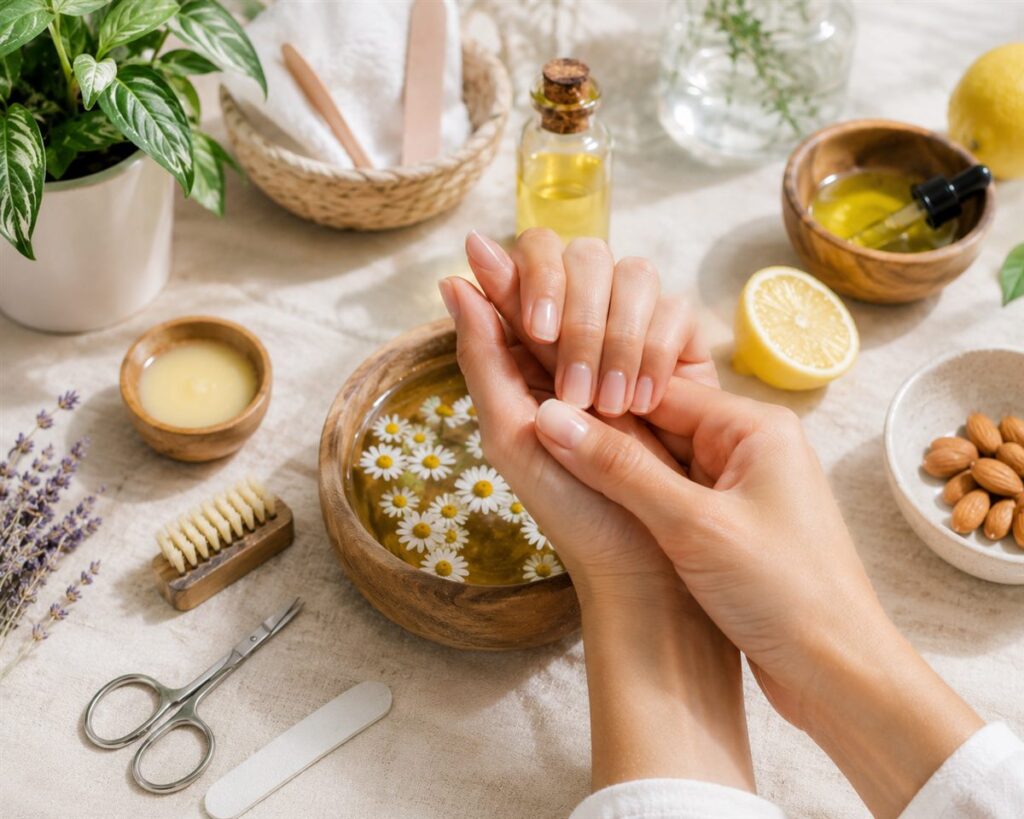
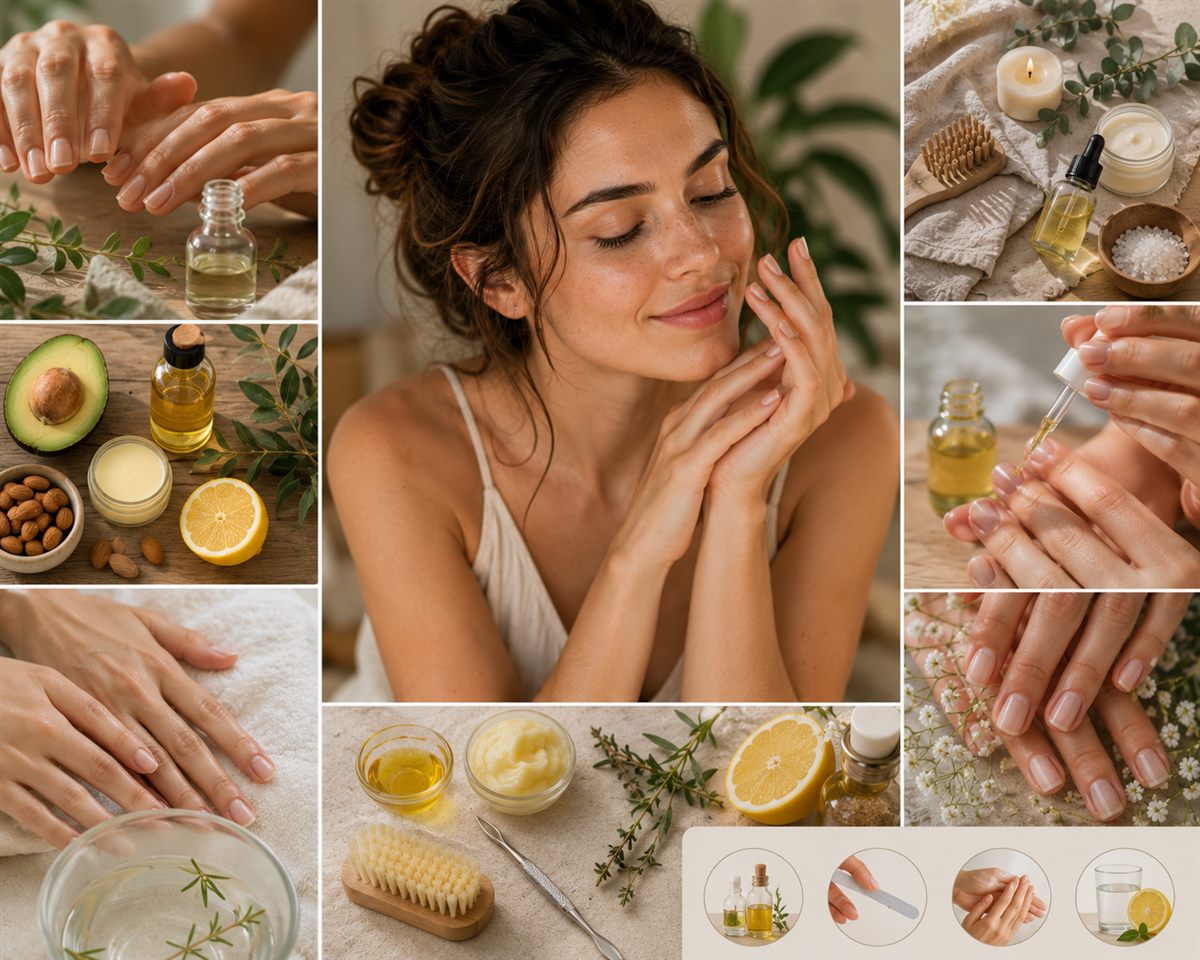
The most effective topical intervention for nail health is moisturizing the nail plate and surrounding skin consistently, particularly after water exposure. Oils that penetrate the nail plate and reduce water loss: jojoba oil, argan oil, and sweet almond oil applied to the nail plate and cuticles, ideally several times daily. Cuticle care: the cuticle seals the junction between the nail fold and nail plate, preventing bacteria and fungus from entering. Cutting or pushing back cuticles aggressively disrupts this seal. The appropriate approach: gently push cuticles back after bathing (when soft) using a wooden orange stick — never cut living cuticle tissue. Cuticle oils applied regularly keep this area flexible and healthy.
Protective habits
Wear gloves for dishwashing and prolonged water exposure — this single habit makes more difference to nail strength than any treatment product. Use acetone-free nail polish remover (acetyl acetate-based removers are significantly gentler). Give nails regular breaks from polish (nails breathe through surface pores and benefit from polish-free periods). File in one direction with a fine-grit file rather than sawing back and forth. Use a base coat under nail polish — this prevents pigment staining and provides a protective layer. Avoid using nails as tools (opening packages, scraping surfaces) — this produces micro-fractures at the nail tip that propagate into breaks.
Conclusion: consistency with simple practices beats expensive treatments
Strong, healthy nails are primarily the result of adequate nutrition, consistent moisturizing, and protective habits rather than specialized treatments. The investment priority: identify and address any nutritional gaps (protein, iron, omega-3s), moisturize nails and cuticles daily with a good oil, protect from excess water exposure, and handle nails gently. This produces better results over 3-4 months than any nail-strengthening polish or supplement.
Changes in nail color, texture, thickness, or growth rate that appear without obvious external cause can signal systemic health conditions — thyroid disorders, anemia, fungal infection, and various deficiencies all produce characteristic nail changes. Persistent nail changes worth discussing with a healthcare provider.