

Hair follicles are among the most metabolically active cells in the body, producing around 0.35mm of hair shaft per day per follicle. This continuous rapid production makes hair extremely sensitive to nutritional status — deficiencies in key nutrients manifest in the hair relatively quickly (typically within 2-4 months of depletion), causing increased shedding, reduced growth rate, loss of texture, and in severe cases, visible thinning. The flip side of this sensitivity is that correcting nutritional deficiencies can produce noticeable improvements in hair quality within a similar timeframe.
The essential nutrients for hair
Hair is made of keratin — a protein — so the foundation of hair nutrition is adequate overall protein intake. Below approximately 0.8g per kilogram of body weight per day, the body deprioritizes «nonessential» protein uses including hair growth. Extreme caloric restriction (crash diets) reliably triggers telogen effluvium (diffuse hair shedding) approximately 2-3 months after the restriction begins, as follicles enter the resting phase in response to energy deficit.
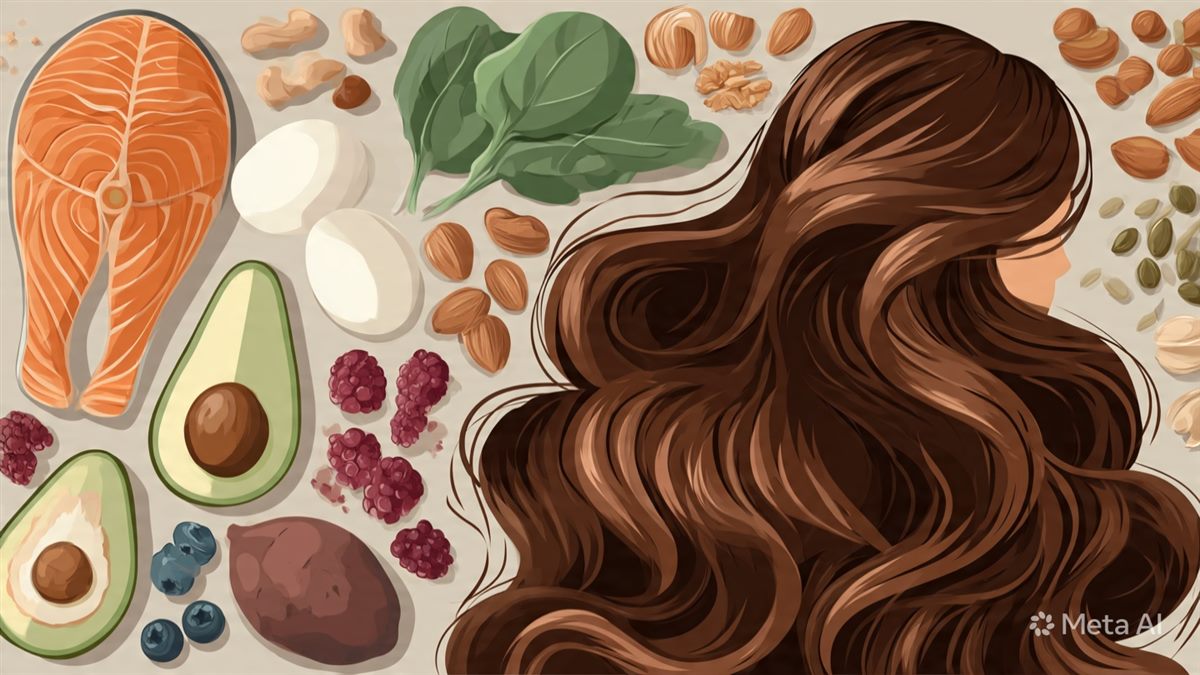
Iron: the most common deficiency linked to hair loss
Iron deficiency — particularly low ferritin (stored iron) — is one of the most frequently identified nutritional contributors to hair shedding in women of reproductive age. Ferritin is the storage form of iron, and hair follicles use ferritin directly for keratinization. Studies suggest optimal ferritin for hair growth is above 70-80 ng/mL, considerably higher than the reference ranges used to diagnose iron deficiency anemia (which focuses on hemoglobin). Many women with ferritin levels of 15-40 ng/mL (technically «normal») experience hair shedding that resolves after iron supplementation raises ferritin above 70 ng/mL. Best food sources: red meat, organ meats (liver), shellfish (clams, oysters), lentils (with vitamin C to enhance non-heme iron absorption).
Zinc: the second most important mineral
Zinc is essential for hair follicle cell proliferation and differentiation. Zinc deficiency causes hair shaft abnormalities and increased shedding. Food sources: oysters (by far the richest source at ~74mg per 3oz), beef, pumpkin seeds, hemp seeds, chickpeas. Supplementation should be done carefully — excess zinc (above ~40mg/day) actually inhibits copper absorption and can paradoxically worsen hair loss. If supplementing, 15-25mg of zinc gluconate or zinc picolinate daily with meals is a typical therapeutic dose.
Vitamins for hair: what the evidence actually supports
Biotin: overhyped unless deficient
Biotin (vitamin B7) is the most marketed supplement for hair, but evidence for its efficacy in people with normal biotin levels is essentially absent. Biotin deficiency is genuinely rare (it causes hair loss along with dermatitis and neurological symptoms) and biotin supplementation only helps hair growth in people who are actually deficient. The primary practical concern with biotin supplementation is interference with thyroid tests and certain cardiac biomarker blood tests — high-dose biotin supplements can cause falsely abnormal results in multiple lab assays, a fact worth mentioning to your doctor before getting bloodwork.
Vitamin D
Vitamin D receptors are present in hair follicles and play a role in the hair growth cycle. Deficiency (serum 25-OH vitamin D below 30 ng/mL, which affects roughly 40% of the global population) has been associated in multiple studies with increased hair loss. Correcting vitamin D deficiency (generally with 1000-2000 IU daily supplementation, or more under medical supervision) is worthwhile both for hair and general health.
Omega-3 fatty acids
Omega-3s (EPA and DHA from oily fish, or ALA from flaxseed and walnuts) support scalp health through their anti-inflammatory properties. The scalp skin benefits from adequate omega-3s similarly to how skin elsewhere in the body does. Consuming 2-3 servings of oily fish weekly (salmon, sardines, mackerel) or using a quality fish oil supplement provides meaningful anti-inflammatory support to follicle health.
Conclusion: investigate before supplementing
If you are experiencing increased hair shedding or reduced growth, bloodwork before starting a supplement protocol is strongly advisable — ferritin, iron saturation, vitamin D, thyroid function (TSH), and complete blood count are the most relevant tests. Targeted correction of identified deficiencies produces significantly better outcomes than a scattershot approach to supplementation.
For most people with adequate nutrition and no identified deficiencies, the most impactful nutritional support for hair is not supplements but overall dietary quality: adequate protein, sufficient iron-rich foods, a variety of zinc and B-vitamin sources, and omega-3 fatty acids. The hair reflects overall nutritional status — and a high-quality whole-food diet is the most reliable foundation for healthy hair from the inside out.


